


Daily Briefing Before Deployment Checklist for a Smooth Launch
A smooth household launch rarely happens by luck. It happens when the first day is calm, the expectations are clear, and the person stepping into the home knows exactly what matters before the work begins.
For households in Singapore, “deployment” is more than a start date. It may mean the first day a migrant domestic worker enters the home, the first morning after arrival, or the start of a new routine after travel, a newborn, eldercare needs, renovations, or a change in family schedule. A short daily briefing before deployment turns all those moving parts into a clear plan.
The goal is not to give a long speech. The goal is to remove doubt before the day starts.
Why the daily briefing matters before deployment
A domestic household has many small details that outsiders cannot guess. Which lift is used for deliveries. Which rooms are private. Which child has swimming class today. Which elderly parent needs a softer breakfast. Which helper should call before opening the door to a vendor.
These details may feel obvious to the family, but they are not obvious to someone new.
A daily briefing helps prevent:
Missed appointments
Confusion about priorities
Food or medication timing errors
Security lapses
Awkward misunderstandings with guests, drivers, tutors, guards, or building staff
Stress during the first few days of employment
It also protects dignity. A Domestic Helper in Singapore works best when expectations are explained clearly, not corrected only after something goes wrong.
For HNI households, the briefing also supports privacy and asset protection. Large homes, multiple caregivers, visiting service providers, pets, valuable items, and complex schedules create more chances for mistakes. Clear instruction keeps the home composed without making the environment feel tense.
The best briefing is short, calm, and repeated
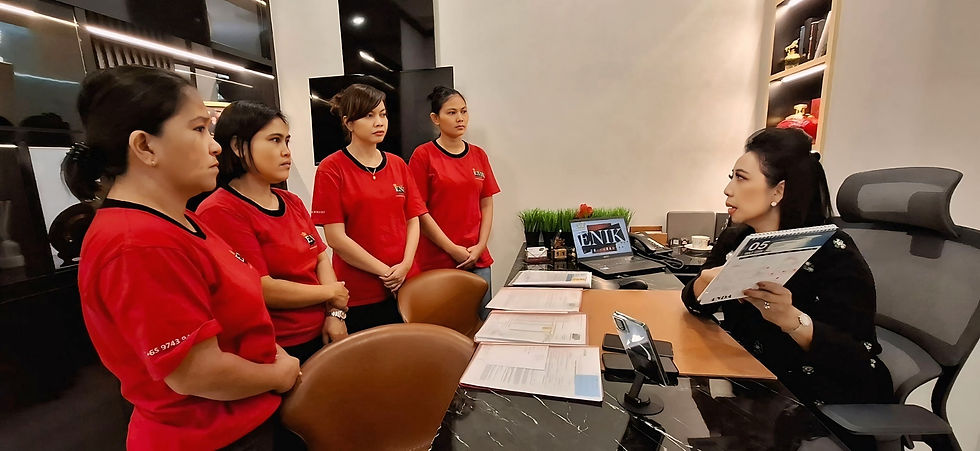
The strongest daily briefing before deployment should take about 10 to 15 minutes. Long briefings get forgotten. Rushed briefings create anxiety. A simple structure works better.
A good rhythm looks like this:
Explain the day’s main priority.
Confirm who is at home and who is away.
Review the time-sensitive tasks.
Point out anything unusual.
Invite questions.
Confirm the next check-in time.
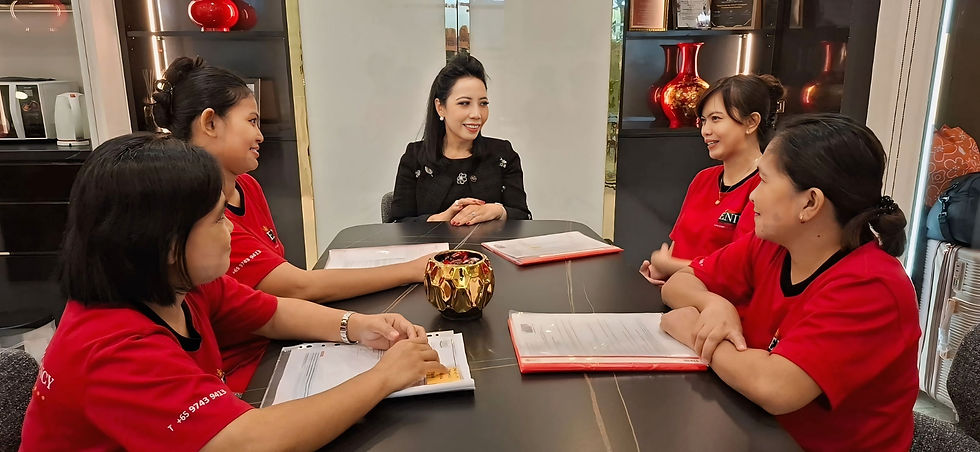
This should happen in a quiet place, before the household becomes busy. A kitchen table, pantry area, or family command corner works well. Avoid giving the briefing while walking out the door, handling a child, or answering messages.
The tone matters. Speak plainly. Use short instructions. Ask the helper to repeat key points, especially on the first few days. That is not a test. It is a practical way to confirm that both sides understood the same thing.
The pre-deployment checklist every household should cover
Use this checklist before the first day and repeat the relevant parts each morning until the routine feels settled.
Briefing area | What to confirm | Why it matters |
Household priority | The most important outcome for the day | It helps the helper choose well when tasks compete |
People at home | Children, elderly family members, guests, drivers, tutors, nurses, or contractors | It prevents confusion about who may enter or receive help |
Access rules | Keys, digital locks, lift access, intercom, gate codes, and visitor procedures | It supports safety and privacy |
Room boundaries | Bedrooms, study rooms, storage areas, prayer rooms, wine cellars, or private collections | It avoids accidental intrusion |
Time-sensitive duties | School runs, meals, medication reminders, therapy sessions, pet walks, and deliveries | It lowers the risk of missed tasks |
Food and dietary needs | Allergies, preferred meals, religious or cultural food rules, and meal timing | It prevents mistakes that can affect health or comfort |
Care instructions | Childcare, infant care, eldercare, mobility support, or pet care needs | It keeps care consistent |
Safety rules | Fire exits, gas use, appliances, balcony safety, pool access, and emergency contacts | It prepares the helper before an incident happens |
Communication | Who to call, when to send a message, and what requires immediate escalation | It reduces hesitation during urgent moments |
Privacy expectations | Photos, visitors, family conversations, valuables, and social sharing rules | It protects the household and the worker from misunderstood boundaries |
Rest and meals | Meal arrangements, rest periods, and daily breaks | It supports a fair working environment |
End-of-day handover | What to report before the day ends | It closes the loop and sets up the next morning |
Keep the checklist visible during the first week. After that, it can become a laminated reference card or a note stored in the household phone.
Start with the day’s main outcome
The first sentence of the briefing should answer one question.
What matters most today?
That may sound like:
“Today’s priority is keeping the toddler on schedule because there is a doctor visit at 2:00 p.m.”
“Today’s priority is preparing the guest room before our visitors arrive this evening.”
“Today’s priority is watching Ah Ma closely after breakfast because she felt dizzy yesterday.”
“Today’s priority is keeping the dog calm while the contractor repairs the balcony door.”
This gives context. Without it, the helper may treat every task as equal. Laundry may get done while an urgent care task slips. A room may be cleaned perfectly while an important delivery is missed.
A clear priority helps the household run on judgment, not guesswork.
Confirm the people, movements, and access points
Singapore homes often involve many people moving through the day. There may be school transport, security guards, condo management staff, private nurses, tutors, drivers, gardeners, therapists, chefs, or visiting relatives.
Before deployment, confirm:
Who is expected at the home
Who is not allowed in without approval
Which entrance they should use
Whether the helper may open the door alone
Whether a delivery should be received, rejected, or left at security
Whether anyone has changed plans
For condos, include the role of security and the management office. For landed homes, explain gates, cameras, side entrances, and outdoor areas. If the home has multiple staff members, also confirm reporting lines. A helper should know whether to take instructions from one main employer, a household manager, an elder, or another caregiver.
Too many voices create mistakes. One clear chain of instruction is safer.
Cover privacy before it becomes a problem
Privacy should never be left vague. A new worker may not know local expectations, family preferences, or the sensitivity of certain spaces and routines.
Set clear rules on:
Taking photos or videos inside the home
Sharing family details with friends or relatives
Discussing travel plans, valuables, or visitors
Entering private rooms
Handling personal documents, jewelry, watches, artwork, or cash
Answering the phone, intercom, or door
Keep the tone respectful. Privacy rules are not accusations. They are part of working safely in a private home.
If the household has a safe room, wine storage area, art collection, home gym, pool, or prayer space, explain what may be cleaned, what should not be touched, and who can give permission.
Review care routines in plain language
Care duties need more than general instructions. “Look after the baby” or “help Father” is too broad. Break care into observable steps.
For childcare, cover:
Meal and milk timing
Nap routines
Screen time limits
Bathing rules
School bag checks
Approved pick-up people
What to do if the child develops a fever or refuses food
For eldercare, cover:
Mobility support
Fall risks
Meal texture
Hydration reminders
Medication reminder boundaries
Clinic appointment timing
When to call the family immediately
For pet care, cover:
Feeding portions
Walking routes
Areas where the pet is not allowed
Vet contacts
Behavior triggers
This is where a Skilled MDW in Sinapore search term on a profile is only a starting point. Skill still needs household-specific briefing. Even an experienced worker cannot know the exact care preferences of a new family without being shown.

Explain safety rules before any task begins
Safety belongs in the first briefing, not after a near miss.
Walk through the home and point out:
Fire exits
First aid supplies
Gas shut-off points
Electrical panels
Wet floor risks
Balcony and window rules
Pool or pond rules
Cleaning chemicals
Appliance instructions
Areas where children or pets must be watched closely
Use demonstrations where needed. Show how the induction hob works. Show which cleaning product belongs on marble, wood, glass, or stainless steel. Show which appliances should never be used together. If the helper will use a steamer, dryer, oven, coffee machine, lift, gate, or security system, do not assume prior experience.
For high-value surfaces and furnishings, be specific. Natural stone, timber floors, silk rugs, leather, and specialty fittings can be damaged by the wrong product. A simple “do not use bleach here” can prevent an expensive mistake.
Set communication rules that avoid panic
A helper should never have to wonder whether a situation is serious enough to call.
Create three levels of communication.
Call immediately
Use this for injury, illness, falls, fire, suspected gas leaks, strangers trying to enter, missing children, aggressive pets, or urgent eldercare issues.
Message and wait for reply
Use this for schedule changes, non-urgent deliveries, grocery questions, minor household repairs, or unclear instructions.
Report at end of day
Use this for completed tasks, low supplies, laundry status, small breakages, or general observations.
This structure prevents both extremes. The helper will not stay silent during a real emergency, and the family will not receive constant messages for routine matters.
If English is not the helper’s strongest language, use simple phrases and saved templates. For example:
“Madam, please call me. Sir fell in the bathroom and is awake.”
That one sentence is clear, urgent, and useful.
Build a simple daily briefing card
A briefing card keeps the routine consistent. It can be printed, laminated, or saved as a phone note.
A good card includes:
Today’s date
Main priority
People at home
Appointments and deliveries
Meals to prepare
Care notes
Cleaning focus
Areas not to enter
Safety reminder
End-of-day report items
Keep it to one page. If it becomes too long, nobody will use it.
For the first week, fill it out daily. After routines settle, use it for busy days, travel days, guest visits, school changes, staff changes, or medical appointments.
Avoid the common mistakes that disrupt launch day
Many rocky starts come from the same gaps.
One common mistake is giving all instructions on day one and expecting perfect recall. A new home has too much information. Repeat core routines for several days.
Another mistake is correcting only when upset. Calm correction works better. Say what happened, what should happen next time, and why it matters.
A third mistake is letting different family members give conflicting instructions. If one person says to clean the study daily and another says never enter the study, the helper is placed in an impossible position.
A fourth mistake is skipping rest and meal arrangements. A tired worker makes more mistakes. Clear break expectations help the day run better and support fair employment practices. For legal duties and employment conditions, check the latest guidance from Singapore’s Ministry of Manpower or qualified advisers.
A practical launch-day briefing script
Here is a simple script that can be adapted.
“Today is your first full day with us. The main priority is learning the morning routine and helping with lunch preparation. The children leave at 7:20 a.m. The driver will come to the side gate. Please do not open the main gate unless I confirm.
Ah Ma will have breakfast at 8:30 a.m. Please remind her to drink water, and call me if she feels dizzy or refuses to eat.
The guest room does not need cleaning today. Please focus on the kitchen, laundry, and children’s uniforms. Do not enter the study unless I ask.
If anything is urgent, call me. If it is not urgent, send a message. At 6:00 p.m., we will spend 10 minutes reviewing the day.”
That is enough. It gives priority, schedule, access rules, care notes, room boundaries, communication rules, and the next check-in.
What a smooth launch looks like
A smooth deployment does not mean every task is perfect on day one. It means the helper knows what matters, asks questions without fear, and reports issues early. It means the household has fewer repeated instructions, fewer surprises, and a calmer rhythm by the end of the first week.
Use the daily briefing as a small operating habit. Keep it short. Keep it kind. Keep it specific.
The best launch happens when everyone starts the day with the same plan.


Comments